Civvy Life – From Battlefield Trauma to Global Leadership
David Dent MBE has built an impressive second career since leaving the Armed Forces. After injuries brought his Army career to an early end, education helped him develop new skills and opportunities – and today he uses his experience to support other Veterans.
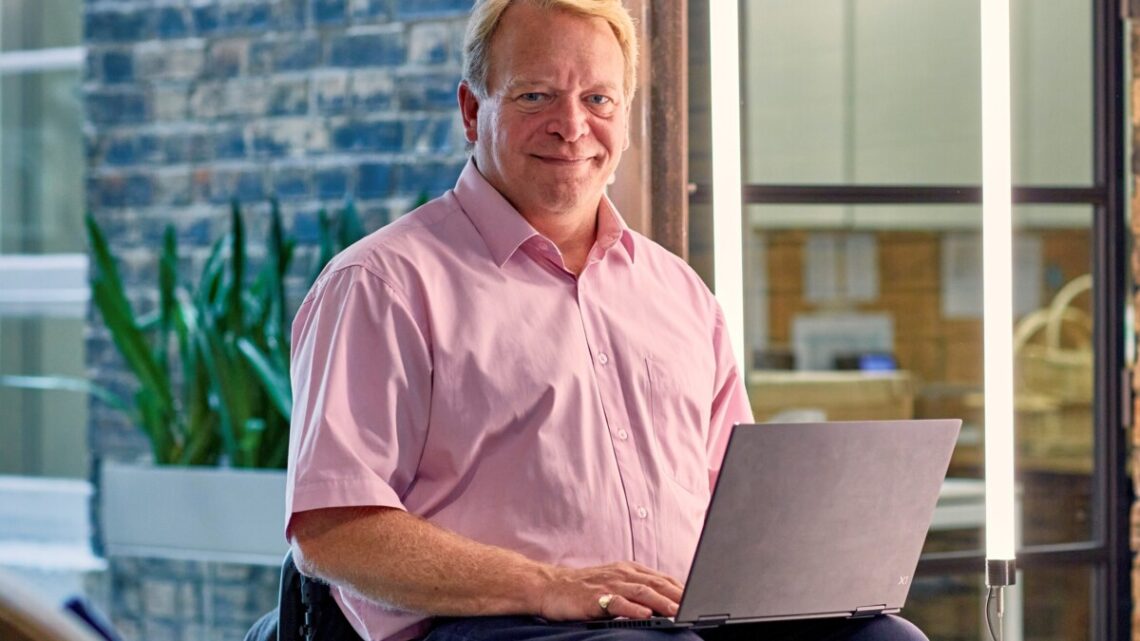
David served as an Army nurse, specialising in intensive care and battlefield trauma, before retiring in 2000 as a result of injuries sustained during Service. Today, he is a global vice president at Parexel, a global clinical development partner, and an ambassador for The Open University’s Disabled Veterans’ Scholarship Fund. Here, he talks to Civvy Street about his military career, adapting to life after service and finding a new direction.
Can you tell us a bit about your military background?
I was born in Jamaica and grew up in a military family. My father was in the Royal Scots from the early 60s until the mid-1980s, and both grandfathers served in the Second World War and beyond, although I did not initially plan to follow them into the Army. I trained as a nurse at the Royal Infirmary in Edinburgh and developed a strong interest in intensive care, critical care and trauma. This led to me applying for a commission in the Queen Alexandra’s Royal Army Nursing Corps, now part of the Royal Army Medical Service.
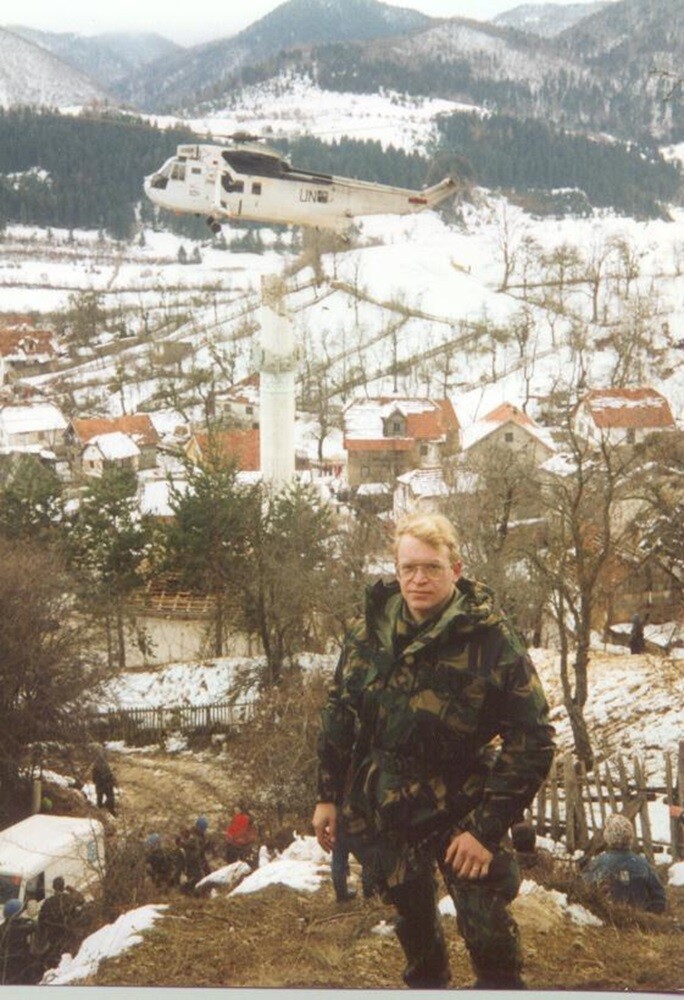
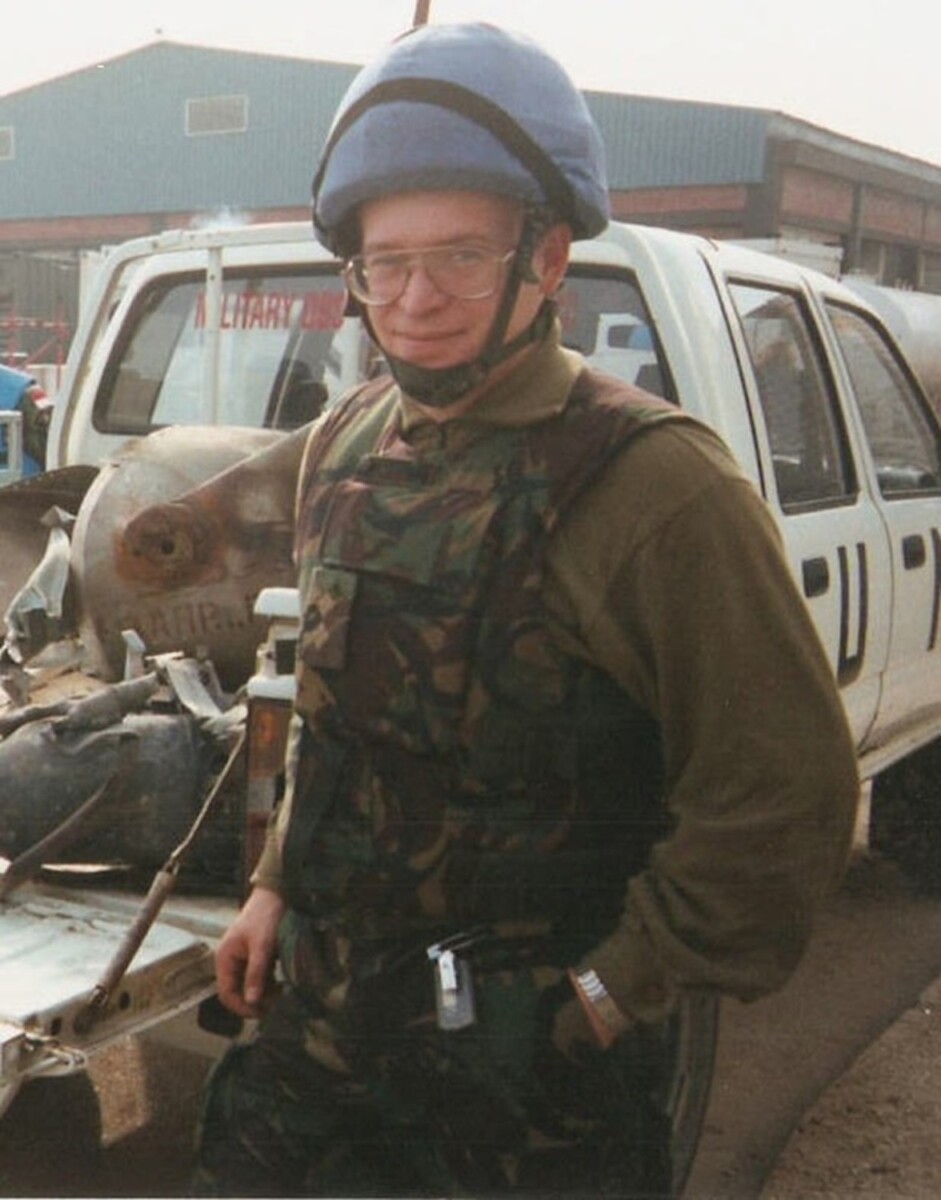
My military work took me to Bosnia with the United Nations and to Northern Ireland amongst other places. I specialised in intensive care and battlefield trauma, including emergency resuscitation, advanced life support and the management of blast and ballistic injuries. I also taught war surgery specialising in blast and ballistic injury at the Royal Defence Medical College and provided primary care to soldiers and their families as an RNO.
I sustained blast and shrapnel injuries in Bosnia in 1994 and 1995. In 1997, I suffered further spinal injuries while providing medical cover for bomb disposal operations. The resulting neurological damage progressed over time, and I eventually became a wheelchair user. I retired from the Army in 2000 because of my injuries.
Can you tell us about your transition from the Army into civilian life?
It was a major change in every sense. Military life gives you structure, purpose, responsibility, and a clear sense of belonging. Leaving because of progressive disability meant that I had to adjust physically, professionally, and personally all at the same time.
I had loved my Army career and had built much of my identity around serving others. Suddenly, I had to understand what my next chapter could look like. I did not see the transition as leaving my values behind. I saw it as finding a new setting in which I could apply them.
My clinical background gave me a strong foundation. I had worked with patients, families and multidisciplinary teams in demanding environments. I then began to build a second professional identity in business, initially through sales, marketing and business development in the pharmaceutical sector. That experience eventually led me into clinical research, which connected naturally with my longstanding commitment to patients.
What helped you make the transition into civilian employment successfully?
Three things made the greatest difference.
First, I learned to recognise the value of my military experience in language that civilian employers could understand. Leadership, accountability, preparation, teamwork, decision-making and calm under pressure are valuable in every organisation, but they must be explained through outcomes rather than assumed to be understood and owned in the civilian world, whereas in the military credit is usually always given to your team or unit or those under your command.
Second, I invested in education and continued to develop my business knowledge. My clinical experience was important, but I also needed to understand strategy, finance, marketing, organisational leadership and the commercial environment where some from a leadership and strategy perspective is taught in NCO education cadres or at staff college, there is much about civilian business and the economic imperative which needed to be learned.
Third, I accepted support. Rehabilitation, family, colleagues, mentors, and organisations that understood veterans and disability all played a part. I learned that independence does not mean doing everything alone. It means having the confidence to ask for the right support and then using it to move forward. “Suck it up and soldier on” means you may have the excellent effort of 1, but the contribution of many peers, like-minded, culturally aware and mission focused, means the sum of the parts is a force multiplier.
Many veterans rely on the skills they gained in the Armed Forces, but you chose to invest in developing new ones as well. Why was continuing to learn so important to you?
The Armed Forces gave me an excellent foundation, but I knew that a successful second career would require additional skills. I wanted to move from a clinical and operational environment into commercial leadership. That meant learning a different vocabulary and understanding how organisations make decisions, create value, and deliver sustainable results.
Education gave me a way to build that knowledge systematically. I studied across nursing, medicine, health, management, and business, including an MBA. Each stage helped me connect my experience to new opportunities.
Learning was also important psychologically. When your military career ends unexpectedly, it can feel as though your momentum has stopped. Studying gave me a clear direction and a reason to keep progressing. It restored confidence and helped me see that disability had changed the route, but it did not have to determine the destination.
I still view learning as part of leadership. Markets change, technology changes and the needs of patients and colleagues change. Leaders must remain curious and willing to revise their understanding.
How important was The Open University’s Disabled Veterans’ Scholarship Fund in making that possible?
It was extremely important. The scholarship removed a practical barrier at a point when I needed flexibility, encouragement and the opportunity to invest in myself. Traditional university attendance would have been difficult alongside work, rehabilitation, disability, and professional responsibilities. The Open University enabled me to study in a way that fitted my circumstances.
The support was more than financial assistance. It was a clear statement that my future still mattered and that higher education should be accessible to disabled veterans. It gave me a hand up, not a handout. It helped me develop new skills, confidence, and direction while I was adapting to civilian life.
The scholarship also helped restore a sense of momentum. Many veterans experience a loss of identity, purpose or belonging when they leave the military. Education can provide a bridge between the life someone has completed and the future they are building.
That is why I am proud to serve as an ambassador for the Disabled Veterans’ Scholarship Fund. I know from personal experience how much the right opportunity can change a person’s trajectory.
Would you encourage other veterans to consider higher education, and why?
Yes, absolutely. Higher education does not have to mean a traditional full-time degree. It can include a qualification, a professional course, an apprenticeship, a technical programme or a subject studied for personal development. The right route depends on the individual.
Education can help veterans translate their experience into language that employers and professional networks recognise. It can also provide new confidence, relationships and choices. For those leaving through medical discharge or living with disability, flexible and accessible learning can be particularly valuable.
I would encourage veterans to start with their interests and the future they want to build, rather than focusing only on the role they held in uniform. They should also use the support available to them. Asking for advice is a strength, not a weakness.
A qualification will not remove every challenge, but it can create options. It helped me move from a life defined by injury and forced retirement towards a career and wider contribution that I could not have imagined at the beginning of my transition.
Today you’re a Global Vice President at Parexel. Can you tell us about your role?
I am Vice President in Parexel Biotech at Parexel. My role is to help shape how we bring our expertise together to address complex clinical development challenges. I work with colleagues and clients (pharmaceutical and biotechnology companies) across geographies, disciplines and therapeutic indications to develop strategies that can accelerate drug development, improve delivery and support better access for patients.
Parexel is a leading global clinical development partner providing insights-driven Clinical and Consulting solutions to the world’s life sciences industry. Leveraging deep local knowledge and a global breadth of clinical, regulatory, and therapeutic expertise, our 22,000+ global employees work in partnership with biopharmaceutical leaders, emerging innovators and sites to design and deliver clinical trials with patients in mind, broadening access and making clinical research a care option for anyone, anywhere. Our proven track record spans 40+ years and drives us forward, advancing clinical research in healthcare’s most complex areas while harnessing innovation to drive efficiencies across every phase of the clinical development process. Our insights-driven approach, proven delivery and trusted execution are accelerating the delivery of life-changing treatments to patients. And culturally we do it ‘With Heart’.
For me, the role brings together several parts of my background. I understand clinical care, trauma, healthcare systems, commercial leadership and the importance of designing research around the needs of patients. I am also involved in disability inclusion through Parexel’s global inclusion work and ParAbility, our disability inclusion community. That allows me to contribute both to how we serve clients and to how we create a more inclusive workplace and clinical research environment.
Which skills from the Armed Forces have proved most valuable in business?
The first is service leadership. Leadership is not about status. It is about taking responsibility for people, decisions and outcomes.
The second is composure under pressure. In military medicine, decisions often have to be made with incomplete information and limited time. Business is different, but leaders still face uncertainty, competing priorities and consequences that matter to people.
The third is teamwork. The best results come from bringing together people with different expertise and giving them a shared purpose. The Army taught me to respect every role in a team and to communicate clearly across different levels of responsibility.
I also value preparation, adaptability, and accountability. Plans matter, but circumstances change. Effective leaders prepare thoroughly, make decisions, learn quickly, and remain accountable for the result. We know a strategy is only a wish list without an execution plan.
The most important lesson is that people matter. Whether you are caring for a casualty, supporting a colleague, or working with a client, trust is built through competence, consistency and genuine respect.
How different is leading global teams compared with leading in the Army?
The principles are similar, but the context is very different. The Army has a clear chain of command, a strong shared identity and often a common physical environment. Global business relies much more on influence, collaboration and trust across cultures, time zones, functions and professional backgrounds.
In the Army, people may need to act quickly because the situation demands it. In a global organisation, leaders must create enough clarity for people to make good decisions without waiting for every instruction. That means setting direction, explaining the purpose, listening carefully and giving people the space to lead.
Global teams also require cultural intelligence. A leadership approach that works well in one country or function may not work in another. I have learned to be clear about outcomes while remaining flexible about how teams achieve them.
The common thread is responsibility for people and performance. The difference is that global leadership depends less on formal authority and more on credibility, communication, and the ability to align people around a meaningful objective.
Finally, and not to be underestimated, your personal safety is not a concern as your working environment is away from a battlefield! So your measurement of personal stressors has a different scale, hence the ability to be calm under pressure.
Alongside your career, you’ve dedicated a huge amount of time to supporting veterans. Why has that remained so important to you?
Because I understand how difficult transition can be, and because I have seen how easily veterans with injuries or mental health challenges can be misunderstood. Leaving the Army can involve the loss of structure, identity, colleagues and purpose. Those changes can affect the whole family.
I have benefited from people and organisations that helped me move forward. Supporting veterans is one way of putting that experience to work for others. My work with Help for Heroes, The Open University, Royal British Veterans Enterprise and the Scottish Government veterans’ mental health pathway has allowed me to contribute at different points in the system.
I try to combine lived experience with practical action. That means listening to veterans, challenging stereotypes, improving access to education and employment, and helping decision-makers understand what support looks like in real life.
My commitment is also connected to disability inclusion. Veterans are not a single group, and people should not be defined by an injury, diagnosis or stereotype. They should have the opportunity to participate, contribute and lead.
Receiving an MBE is a tremendous honour. What did that recognition mean to you personally?
It was deeply humbling. I never expected to receive an MBE, and I initially found it difficult to accept because many people contribute quietly and consistently without recognition. I also had to keep the news private, even from my wife, until it could be announced.
The honour was especially meaningful because I am the third generation in my family to receive an MBE. My father and grandfather both served their communities in different ways, so the recognition connected me to a family tradition of service.
Personally, I see the MBE as recognition of the veterans, students and people with disabilities who have shaped my life. It reflects the support I have received from family, colleagues, charities, universities and the wider Armed Forces community. I find you derive more value from giving than being internally focused.
It also creates responsibility. Recognition should not be the end of the work. It should give you greater encouragement to use your platform carefully, challenge barriers and help others find their own route forward.
If someone is reading this while preparing to leave the Armed Forces and feeling uncertain about what comes next, what would you say to them?
I would say that uncertainty is understandable. Leaving the Armed Forces can feel like losing a familiar identity, but it is not the end of your contribution. The qualities that helped you serve can continue to create value in civilian life.
Take time to understand your skills and explain them in terms that employers can recognise. Ask for support early. Invest in learning, whether that means higher education, vocational training or a new professional qualification. Find people who understand transition and who will give you honest, practical advice.
Do not assume that your first civilian role has to define your whole future. It may be a starting point while you build confidence, experience and networks. Be patient with yourself, particularly if you are managing injury, disability or mental health challenges.
Most importantly, take one constructive next step. Speak to an adviser, contact a university, update your skills profile or connect with another veteran who has made the transition. You do not need to have the whole route mapped out before you begin.
Since this interview was conducted, David has received the Lifetime Achievement Award at the 2026 Armed Forces Community Soldering on Awards, recognising his decades of work supporting veterans and people with disabilities. The Open University’s Disabled Veterans’ Scholarships Fund, for which David is an ambassador, also received the Education, Training & Development Award.