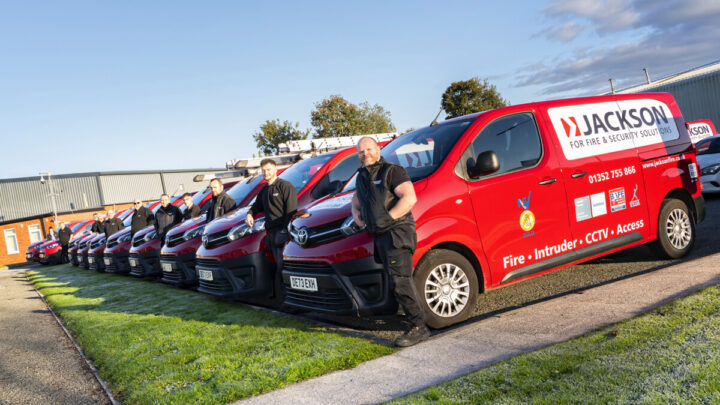
Ronald McDonald doesn’t manage all of his burger restaurants and neither does Burger King – he sits around in his burger palace counting his money. Many of our familiar high street brands are in fact franchises.

The idea is simple. Take a trusted brand that everyone knows and replicate it ‘cookie cutter’ style. Every burger, every sandwich and every cup of coffee tastes exactly the same anywhere you purchase it in the UK or for the really big brands, around the world.

Rather than go through the blood sweat toil and tears of setting up your own business (or brand) from scratch, franchising enables a new business to hit the ground running with everything that the brand has in spades to hand: appeal, standards and reputation.

Building a business
It’s because of this reason that franchisors (the people that own the business) don’t just let anyone into the fold. It wasn’t always the case that McDonald’s ruled the fast food world. That clown had to build his business brick by brick, Big Mac by Big Mac and although he doesn’t want to have a specifically hands on role any more, he certainly wants to protect the brand.

Franchisors are looking for people with certain attributes and qualities. First among these is a desire to make the franchise succeed. This takes hard work and so franchisors are looking for a track record demonstrating a solid and dependable individual. Specific experience in the trade is useful but it’s not the whole shooting match. Training can overcome a lack of any experience but you can’t train a person to be motivated or conscientious.

Of course the franchisor will also benefit from the initial financial outlay that the new franchisee hands over but it isn’t where the real money is earned. The initial sum will kit-out new premises and get the business on its feet. After that the franchisor/franchisee relationship is more of a partnership than you might think. The franchisor will give the franchisee the benefit of their advice and tips on how to make the business succeed.

Training for success
Part of this will be pre-opening training. Clearly, many Ex-Service Personnel are going to be inexperienced where the nuts and bolts of running a business are concerned. The franchisor may well take the opportunity before the franchise opens to make sure that they are up to speed with how employment law works or what the latest health and safety requirements are. Again, the benefit is repaid in the success of the business and it also avoids the worse case ‘barista at major brand coffee shop injured by rogue milk jug’ headlines. From then on the franchisor will keep in touch with the franchisee to make sure that they have all the resources they need. This is all in their favour since they’ll be taking a profit share, not to mention more visibility and market share for the brand.

The major benefit is simple. Whilst setting up a new business on your own is an option and your redundancy package will give you the capital to go it alone, a look at the facts might make you think differently. The reality is that only 20% of business start-ups in the UK are still operating two years after they open, whereas 80% of franchises are still profitable after the same amount of time.

All of this suggests that franchising could be a brilliant option for the long term. Starting small and with support allows the franchisee to grow with the business until such time that they feel confident enough to discuss new ideas with the franchisor or expand their interests to incorporate more ambitious goals. Franchisors are not dictatorial and will certainly appreciate the fact that nobody has the monopoly on good ideas. The regular reporting process that the franchisee goes through is an excellent exercise in discipline as well as a good opportunity to show your worth and air your views.

Your experience counts
Ex-Service Personnel might at this moment be thinking that franchising has nothing to do with what they’ve been doing for the last twenty years. A closer look suggests that this isn’t the case; Services Personnel bring a wealth of experience in following procedures, decision making, communication and getting the job done under trying circumstances. Go on any management training course and these are the cornerstones that it’ll be based on. The point is that you’ve already accrued many of the key skills through your Forces experience and with a bit of tweaking you could be a very effective operator.

Service Personnel are also renowned as being trustworthy and responsible as well as having integrity and a pride in what they’re doing. Add to that the fact that ex-Services Personnel are traditionally financially stable and on leaving the Forces have a ready redundancy fund to invest its little wonder that franchisors look favourably from applications from this group of people.

Choice isn’t a problem either; whether you fancy becoming a restaurateur, an estate agent or mini mart manager with 800 companies in the UK open to franchise agreements you’re bound to find the right business in the correct sector for you. The key to making the right choice is to reflect on your interests and transferable skills.

Read before you sign
Simple advice includes getting a copy of a job description before you start. Take a careful look and make sure that you’re happy with it and feel confident about fulfilling the requirements. Although it isn’t the exactly the same as a job description for an ordinary job it should give you a good idea of what’s involved.

Once you’ve made a decision, a great starting point is to look up the listings of the British Franchise Association (BFA). There are currently 400 members that you can be sure meet the standards set out by the association in terms of the support that they give to potential franchisees. In other words it’s a safe bet within a safe bet.

Franchising provides a sheltered route into business. The initial investment and hard graft will pay dividends assuming you follow the advice of the franchisor that will doubtless back you all the way.

Boxout 1
Franchising Organisations:
British Franchise Association
The British Franchise Association (bfa) is the voluntary self regulating governing body for franchising. The UK market encompasses many franchise opportunities and the association will help you to make a more informed choice about which one best suits you. All members have chosen to be vetted against a strict code of business practice – they endeavour to be good franchisors that can deliver the success that you want.
Tel: 01235 820470
Web: www.thebfa.org

The Franchise Development Centre
Whether developing a new franchise business or enhancing your existing franchise system you deserve to give yourself the best chance of success. Our franchise consultants are experienced, professional and have integrity. They are by your side, enjoy taking personal responsibility for projects and will make it happen. Don’t take a chance with your future – let us help you achieve your business and personal goals.
Tel: 01904 561598
Web: www.thefranchisedevelopmentcentre.co.uk

Which Franchise.com
A directory of franchisors looking for potential franchisees in all sectors, as well as a source of information for people looking into different franchising possibilities.
Web: www.whichfranchise.com

Franchise Direct
Franchise Direct UK is a dedicated resource with a wide list of businesses for sale and franchise opportunities for sale. View an impressive article index relating to franchising, franchisee success stories and more.
Web: www.franchisedirect.co.uk
The UK Franchise Directory
A detailed index of franchise opportunities with further information covering all sectors and all franchise types.
Web: www.theukfranchisedirectory.net

Starting a business is fraught with risk. Franchising is a superb way to lower that risk and increase your chances of success; Civvy Street spoke with Chairman of the British Franchising Association, Michael Eyre to find out how.

Michael Eyre has 30 years experience of franchising under his belt. During this time he’s developed a keen eye for the skills and qualities that add up to an effective franchisee. Top of the list, according to Michael is: “Undoubtedly, a genuine desire to work for one’s self. I say that because many people considering franchising think that they’re buying themselves a job.” He says, before wisely adding: “Particularly in times like this when employment is uncertain and redundancies are rife. They’re not. There’s added value in taking on a franchise. Whilst you’re working for yourself, you’re not by yourself. It’s like a midway point.”

Michael has been both franchisee and a franchisor. His first experience as a franchisee was in specialist car servicing, a line of business that he had no previous experience in. Michael admits: “With the support of my franchisor I was able to operate an extremely successful business which I clearly couldn’t have done on my own.”

Training to franchise
Even though the franchisee is preparing to put in a significant investment, it’s essential that the franchisor feels confident that the individual is the right person to carry the brand. Michael explains: “First of all they have to identify the skill level and the experience level of a new franchisee. In our instance we look at training in two different aspects: firstly, there’s training on the general skills and requirements for running a business (compliance with legislation, health and safety matters, employment law, skills specific to VAT and inland revenue – all of those sorts of things will apply to any business).”

The other area of training refers to the particular business type of the franchisor. “We treat those two things separately. We look at the existing franchisor business and how that franchisee might fit in. You need to do an assessment to find out what skills are required to perform the required duties. Where the skills aren’t in place, those are the skills you’ve got to teach.” Far from being seen as a hurdle by the new franchisee, this assessment should be viewed as a foundation with further support being the tools for success.

Of course ex-Servicepeople may not have specific ‘business’ training and the road to day one might necessarily be slightly longer. All of this will bear dividends. Michael agrees saying: “The pre-opening training is of critical importance, even more so perhaps than some of the hands on stuff. It’s during the pre-opening training that the franchisor has the opportunity to make a greater assessment of the franchisee and what support they’ll need. You can’t just walk into it without forethought.”

Franchise opportunities
There are literally hundreds of franchise opportunities to select from, spread over every conceivable business type. With such a choice, the right selection might seem like a difficult task. There are approximately 800 franchisor companies in the UK with around half being members of the BFA. “The only reason why only half are BFA members is because the other half can’t get in,” quips Michael, adding, “The BFA is a standards based organisation and in order for a franchisor to become a member they have to go through a very thorough accreditation process. Part of that is to see what support measures are in place in that particular franchise network. If a potential franchisee is going to select a member of the BFA to work with they can be sure that a certain level of standards already exists.” This provides an ideal starting point for potential franchisees that are concerned about the safety of their investment.

“They look more than anything for a track record of achievement in franchising; clear evidence that the franchise network is robust and that the franchisees are performing in line with expectations” says Michael. In fact, it’s also true that the BFA speaks with a number of franchisees to make sure that they are getting what should be delivered and getting a view from the real cutting edge.

What emerges through our discussion might seem surprising to some potential franchisees. The franchisor and franchisee are far from ‘employer and employee’ and much more like a team with each requiring input from the other. Indeed, Michael is quick to underline the significance of this point saying: “In my organisation, we have a very popular phrase: ‘commitment matching’. If we have a franchisee that’s keen to develop his business and is putting in the effort in the right places; business building activities and doing the other things that we recommend that he does. If he makes that commitment we will match it and support him. On the other hand, a whinger who complains about the state of his business but isn’t doing the things that we recommend isn’t showing any commitment.”
Positive statistics
Any franchisee will tell you that franchising isn’t easy but it certainly is, statistically at least, a safer route into business. According to Michael the survival rates for start-up businesses in the UK are as low as 20% after two years. Incredibly, in 80% of cases, franchisees survive the same period. “It’s a fantastic record; that’s why franchising is recognised as the safest route into business for anybody at any level.”

Even with all of this good news to feed on, some potential investors may still be biting their fingernails. Again Michael draws on his own experiences as a franchisee saying: “Good advice for a potential franchisee who, whether they admit it or not, will be thinking: ‘Can I do this job?’ is for them to ask their franchisor for a job description outlining particular responsibilities and what have you (in the way of skills and experience). This allows them to make a very honest assessment of themselves. They’ll find that extremely useful.”

Michael summarises: “They’re buying a business to develop and eventually capitalise on their investment, they’ve got something to sell on to somebody else. That brings it home that they’re building a business. Without that goal, it is nothing more than having a job.”

Saying that, it isn’t a sink or swim situation as Michael reminds me: “By having a franchisor you do have a responsibility to somebody. So even though it was my business and I put all the money into it, under the terms of my franchise agreement I had to report to the franchisor which is a good discipline. That makes sure that you monitor and manage your business effectively. It’s your own business but you’re not on your own (but) the incentive is stronger to work harder. It’s a fact of life.”

…………………………………………………………………………………………………………………………….
Hed: Case Study: Belvoir Lettings.

Mike Goddard spent 17 years in the RAF and was commissioned into the education branch. During that time he rose to the rank of Wing Commander. He has since become a successful franchise owner and runs the Belvoir Lettings chain and explains why he’s always on the lookout for ex-Servicepeople.

Mike Goddard left the RAF in 1995 on the redundancy scheme that was then in place. He took advantage of the offer, using it to fund his new business. “We didn’t have any intention of franchising to start with. After about 12 months I started to get ambitions to grow my business nationally” he explains.

This is when Mike started to consider franchising as an option. “I went to a franchising consultant who did a feasibility study on my then business and he said that if I had the right investment and followed his guidelines there would be every chance of succeeding. In 1996 I used the majority of my redundancy pay to set up a company called Belvoir Property Management UK Ltd and launched my franchising operation; the pilot project being my original business.”

Starting out ion franchising
Mike was joined by his wife in the business and whilst she ran the lettings business, he concentrated on the franchising side. “It took six months for us to prepare it and in June 1996 I attracted my first franchisee – an ex Corporal from Lossiemouth, Scotland who opened an office in Elgin.” Says Mike, adding proudly: “He’s still with us and celebrated his 15th anniversary recently.”

Mike sidestepped the ‘franchisee’ aspect of business and jumped straight from being an entrepreneur to a franchisor. Being an ex Forces man, he can see not only what his military background gave him but also the key attributes it gives to potential franchisees, saying: “My military career taught me two very important things, firstly: how to build up teams of people and secondly: how to systematically break down a complex task into its simplest components to achieve a major goal. That’s what you do with franchising.”

The qualities that Mike identified in potential franchisees meant that it was a no-brainer to fall back on his view of what military experience really means. “I did look for people with a military background because I could relate to them and they could relate to me. When you’re starting a franchise network one of the problems is getting those first few franchisees. It’s so important to get it right. I knew the sorts of people I’d be getting” he says, adding: “I target anybody who has the right attitude (but ex Servicepeople have a head start). They’ve learnt how to follow systems, they are usually financially stable which is also important and they are generally trustworthy and have integrity. Those are key things for being good franchisees.”

Running the business
Although Mike has never been a franchisee, his insight is welcome from the perspective of understanding what the required qualities and standards are. His advice to any franchisee is simple: ‘Go for it.’ If you analyse it too much we call it ‘paralysis by analysis.’ Go with your gut feeling. The opportunities are superb. If you feel that you want to run a business and control your own destiny and want to work for yourself rather than for an employer but are slightly concerned about going it alone, then franchising is a fantastic opportunity.”

Although the move is a big one, the formula is simple: “If you follow the advice and the business format that they set you, then you have a very high chance of succeeding” encourages Mike, continuing: “Go and meet a few franchisors like me and they’ll tell you. A ‘glass is half full’ type of person will be able to withstand the knocks and blows of the early days of the business. My advice for anyone with that type of attitude is to give franchising a serious thought. It’s a very good way of getting into business using somebody else’s brand and know-how.”

www.belvoirlettings.com

In these cash-tight times, charities of all sizes are increasing turning to professionals to help raise much-needed funds. We speak with Chris Stoddard, founder of company CSDM, which is establishing its own franchise network across the UK.

ChrisStoddard

WORDS: PAUL F COCKBURN

What does CSDM do?

CSDM works with national charities to bring them much more effective fundraising among individual donors, companies, grant-making trusts and so on. We either take it on lock, stock and barrel, or we work with them in a consulting capacity to help improve what they do in-house.

Why did you decide to set up your own network of franchisees?

We’ve been very successful for our clients nationally; the company’s grown from nought to 70 staff in the space of five years. We’ve grown because we’re been evidently successful for our clients – but they’re all national charities.

It’s an enormous challenge for small local charities to recruit and train good fundraising staff and to have stable, sustainable revenue. With our franchisees our aim is to bring the same kind of fundraising success to local charities so that they can have the same fundraising firepower – that’s the phrase I like to use – as the big charities.

How big a network are you planning?

We envisage having 45 to 50 local fundraising directors across the UK, each looking after around 10 clients, and we have a set target to recruit half of that number by the end of the first year. So, as a business, we’re after about 500 small local charities out of a national total of around 9,000.

What do you look for in a potential franchisee?

Good interpersonal skills, so you’re able to talk with charity trustees, establish relationships, and build confidence that their fundraising is in safe hands. And good organisational skills. The job’s about meeting clients, understanding their aims, goals and need for funds, and then working on the common problems.

Will these be one man – or one woman – businesses?

There will absolutely be opportunities to build small businesses with a turnover in the region of £250,000 to £500,000 – you won’t be a one-man-band.

Do you need to be a good sales person?

It’s not selling in the double-glazing sense; we ‘land sales’ by demonstrating to clients that our approach will deliver results. On our website we’ve got lots of really terrific testimonials from clients – we’ve even had one saying ‘You Gave Us Wings’, which is an extraordinary thing to say.

What kind of investment are you looking for?

The franchise fee, at the moment, is £9,950, and you will also need to support yourself for approximately three months before income generation kicks in.

Why should Civvy Street magazine readers consider becoming a CSDM franchisee?

Fundraising  has the same disciplines and rules as any serious profession; we can bring our experience so that local charities can have a fundraising programme that is a mini version of what any big charity does. The opportunity to play a significant role in your own local community has found resonance with many people we’ve talked with.

MORE:

t: 01989 762 456

f: 01989 765 345

e: jfrancis@csdm.co.uk

CSDM Limited,

Enterprise House,

Unit 1, Alton Road Industrial Estate,

Ross-on-Wye,

Herefordshire,

HR9 5NB

IT’S NOT WHAT YOU MIGHT THINK…

Many people misunderstand what fundraising is, according to Chris Stoddard. “People think it’s just to do with organising endless amusing events, dressed up in funny clothes or doing something unusual – but it isn’t,” he told us. “Events income is very sporadic and unreliable, and it’s a very low return for the investment of time, money and effort. By doing events and shaking tins on street corners, charity trustees can only get so far; the only way to raise sufficient money is to adopt exactly the same fundraising methods and strategies as the big charities – sustained, targeted fundraising, making sure they identify all possible donor sources, and form relationships with them using the right methods and the right materials.”

ABOUT CHRIS

The award-winning Chris Stoddard has 25 years experience in the fundraising sector and is a past Chairman of Association of Fundraising Consultants. He has successfully raised more than £20 million for clients in the UK, USA, Australia and South Africa. Chris has also written numerous authoritative texts relating to the sector.

profit

Want to be your own boss, but wary of going it alone? Here’s how business format franchising could be just what you’re looking for.

WHAT IS FRANCHISING?

Business format franchising is when a company (the franchisor) develops a successful trade name, brand and business system which it licences to an individual (the franchisee) who uses it to build up a successful business, usually operating in a defined geographical area. It’s a win-win scenario; the franchisor expands their brand using other people’s money, while the franchisee is given a business plan known to work, along with ongoing support and all the marketing advantages of operating under a well known name.

HOW IMPORTANT IS FRANCHISING TO THE BRITISH ECONOMY, PARTICULARLY NOW?

Very; it generated more than £11.4 billion in 2008. The chairman of trade body the British Franchise Association (bfa), Mike Goddard, told us: “These are successful businesses with a high percentage chance of success because of the very nature of the support they get through the franchising network. I really think you can’t understate the contribution franchising makes to the British economy.”

IS IT A SAFER WAY TO SET UP A BUSINESS?

According to Mike, a reputable franchising organisation will have a success hit rate of 90%-95%. “Nothing in business is guaranteed, but if you look at a similar statistic for non-franchised business, it’s much lower, below 50%,” he said. Also, since franchises are “proven” systems, banks are more likely to lend you money; they know reputable franchisors will provide the training, support and advice needed to maintain their brand.

ARE SERVICE LEAVERS PARTICULARLY SUITED TO FRANCHISING?

Mike Goddard believes Service leavers are disciplined, well motivated, not afraid of hard work and very good at following structures and procedures set down to get a job done. Those are qualities franchisors love in their franchisees.

WHAT KIND OF FRANCHISE SHOULD YOU GO FOR?

If you don’t like pizzas, don’t go for a pizza-making franchise; you need to choose something that you’ll still be happy doing five, 10 or even 15 years down the line. Go for a business you feel comfortable with and where you are confident the franchisor will provide an appropriate level of training and support. Whenever you can, speak to existing franchisees to get the inside story.

WHERE CAN I GET MORE INFORMATION?

Start at the bfa; franchisors which are full members have been vetted and passed an accreditation procedure which ensures they adhere to agreed ethical, legal and financial standards. However, you should still do your own research and diligence checking; after all, you’re potentially going to invest a lot of your money into a business and you need to minimise the risks, particularly if you have dependents.

The bfa-recognised whichfranchise.com website is also an excellent general source of information, and there are regular franchise magazines and exhibitions throughout the year.

Find out more;

British Franchise Association

01865 379 892, www.thebfa.org

Which Franchise

0141 204 0050, www.whichfranchise.com

Some statistics;

The most recent NatWest/BFA franchise survey (the 25th annual report on the sector) confirmed the following facts about business format franchising in the UK during 2008, when the British economy entered recession.

• Estimated annual turnover of the sector £11.4 billion, down 8% on 2007 (£12.4 billion) but still up 5% on 2006 (£10.8 billion).

• Number of business format franchisors: 809, up 3.6% on the previous year.

• 82% of franchisors believe business will improve or remain the same in the next 12 months.

• New entrants can expect to pay an average of £50,400 in franchise fees and other costs, down from £64,900 in 2007.

• Less than one third of franchisees are under 40 years old, compared with more than half in 1992.

• Roughly 467,000 people are directly employed by the franchising sector in the UK.

• Banks continue to be the most important overall source of finance.General Q&A on franchising.

INSPECTIONS GUARANTEED

Later this year, former RAF electronics engineer Ian Kavanagh will happily renew his franchise agreement with gas-elec. He explains how the gas and electrical inspection franchisor has provided him with the civilian career he was looking for.

After 25 years in the Royal Air Force as an electronics engineer, 44 year old Ian Kavanagh, from Telford in Shropshire, was looking for the right career in civvy street.

“I had been researching different franchising opportunities for several years as I wanted to be my own boss when I left the Air Force,” he told us. “Whilst on detachment in Kuwait I came across gas-elec, which carried out engineering inspections required by law. So I set up to meet with the gas-elec team while on R&R, and put my notice in on my return. The rest, as they say, is history!”

Ian chose the franchise route as they have a proven business model, which gives a far greater chance of success, plus back up and support so necessary for any new business venture.

gas-elec was launched as a franchise in 1997 to provide gas and electrical safety inspections in the residential lettings sector. The business has grown rapidly into a national network of successful regional managers and local engineers. Today there are more than 126 franchisees operating from 18 regional offices.

“I slotted into the business from day one, which was partly because I was keen, but largely because the franchisor held my hand until I was ready to go it alone,” he explained. “Moving from the forces to civvy street was a complete culture shock. The mindset is very different from the ‘can do’ attitude in the services.”

“The first year was a steep learning curve and the priority was to turn a declining area into a growing one and to rebuild gas-elec’s reputation,” he said. “This I achieved with a great deal of co-operation from the engineers and guidance from the franchisor – everyone works as a team and strives for the common good.”

Ian took on the franchise in September 2004; while it wasn’t all plain sailing, by 2008 he had doubled the first year’s sales. “It’s gratifying to see the results for your efforts,” he added. “It’s all about providing an excellent reliable service, at a fair price, and naturally reaping the financial rewards that hard work deserves.”

Ian’s business has grown in value by the equivalent of an extra £1k for each month he has been with gas-elec. “I intend to continue that growth and need quality engineers with the right attitude to enable me to do so,” he said. “gas-elec is an excellent opportunity for people leaving the forces to generate a good level of income, where they have stability, and are rewarded financially for their efforts, without having to spend long stints away on detachment leaving worried loved ones behind.”

In spite of real challenges during 2008 and 2009, the growth of the network has continued to be healthy, although recruitment has continued at a slower pace than before, due partly to lack of finance in the current climate.

gas-elec is actively seeking and developing new revenue streams for the franchisees and recently embraced new technology, investing immense sums in increasingly sophisticated systems to create an internal and customer facing IT infrastructure that greatly benefits the business.

“This saves huge amounts of time and allows us to react instantly to customer and engineer enquiries, to analyse customer data and convert this into sales and marketing opportunities,” Ian explained.

Which may be why he has no doubts about signing up to gas-elec for another five years.

gas-elec

Founded in 1996, gas-elec carries out impartial safety inspections and light remedial works. Its unique inspection service provides the residential lettings market with multiple inspections of the gas and electrics in just one visit. gas-elec has more than 126 franchisees operating from 18 regional offices, who this year will carry out more than 120,000 safety inspections in domestic properties throughout the UK. For more information call 0800 015 2030, or visit www.gas-elec.co.uk.

Ovenclean, the UK’s number one domestic oven cleaning franchise, reports that business is bubbling for franchisees up and down the country. The reason, according to CEO Julian Minwalla, is simple.

“Cleaning the oven is top of the ‘most hated chores’ list and every householder, school and hotel has an oven, which needs to be cleaned regularly,” he says. “All of which adds up to a massive potential marketplace for Ovenclean!”

Ovenclean franchisees operate from fully equipped professionally liveried vans, benefiting from low overheads and high flexibility, cleaning and restoring ovens to pristine condition within hours.

The franchise is proving a hot opportunity for practical, hard working people, looking to build a profitable business. According to Julian, Ovenclean offers a simple and recession-resilient business model with thorough training and continued support, as well as a unique environmentally friendly cleaning system, an established brand and strong proven demand.

To find out more and request a free information pack, call 0800 988 5434 or visit www.ovenclean.com.

Want to be your own boss but don’t fancy being stuck in one place all the time? Why not get on the right road with a mobile franchise?

WORDS: PAUL F COCKBURN


After years of following orders, the idea of becoming your own boss in civvy street can be very attractive; not least the idea of being able to choose what you do, how you do it – and when!

Of course, setting up on your own does have drawbacks; not least the fact that… you’re on your own. The buck starts and stops with you when it comes to attracting – and keeping – customers, getting the job done properly, and making sure that all your finances are up to date.

Which may well explain the rising popularity of franchising – where you’re running your own business under the banner of a company that has, essentially, done all the hard work for you – they’ve tested the market, sourced the best products, and learnt from their mistakes. You’ll still have to work hard to make a go of it, but at least you have good reconnaissance on the business front line, and head office back-up just a phone call away that has a vested interest in your success.

MOBILE FRANCHISES

If, during your time in uniform, you’ve got used to a life on the move, the prospect of working in the same place, day after day, might not appeal. Luckily, with 21st century Britons increasingly expecting services and products to come to them, rather than the other way round, there are growing opportunities to get a business on the road.

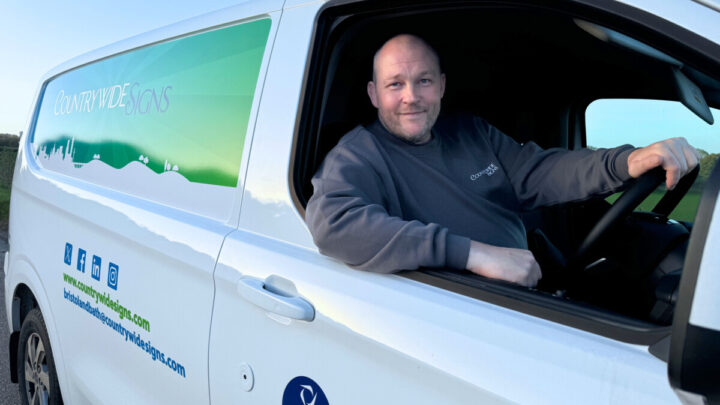
Mobile franchises – what are often still called ‘man and a van’ businesses, despite more women getting involved – are increasingly common and cover a wide range of sectors: from household and kitchen cleaning to catering and delivery services; from car valeting and DIY trades to lawn and garden maintenance; and everything from drain cleaning and pet care to snack and fast food delivery.

These are just some of the van-based businesses that you could become involved in through franchising. More information on the opportunities available can be found through the British Franchise Association – the sector’s trade body – and the range of franchise exhibitions, magazines and websites currently available in the UK.

MOBILE FRANCHISES – THE ADVANTAGES

Mobile franchises come with certain advantages:

  • Mobile franchises can be among the least expensive businesses in which you can invest, certainly compared with those requiring large premises and numerous staff. Some mobile franchises will not even expect you to buy the van and equipment, although leasing is usually more expensive in the long run.
  • Your vehicle is your office. With just you on the road, there’s no need to hire and fit-out an office or hire somebody to answer the phone – keeping your costs down and your profits up.
  • Your vehicle is also your biggest promotional tool. With the business name and contact details across the sides of the van, you have a prominent advert that will be seen by thousands of people every week as you drive around your area.
  • You have flexibility to change your day and adapt your lifestyle to suit your business needs – and vice versa!
  • You may be working for yourself, but you’re not on your own. Reputable franchisors provide training, advice and a range of support (from administration to marketing) at all stages of your business – from initial start up to the end of the franchise period. As you’re using their carefully nurtured brand, they have a real interest in ensuring you succeed.
  • You’ll be part of an expanding sector in the economy, able to react to growing customer needs – not ‘stuck’ in one place.
  • Many van-based mobile franchises enable you to build on your own success by hiring additional drivers and vans to develop your business onto the next level.

ON THE ROAD

When it comes to mobile franchises, it’s fair to say that – as with most businesses – profits are there to be earned, rather than just taken. You’ll have to put in the time and effort; almost certainly, that’ll mean spending hours behind the wheel, on your own, travelling between customers – most franchisors will not overpopulate any particular geographical area with too many franchisees, so you’re unlikely to be restricted to just your local neighbourhood.

As with any franchise or business start-up, there are important points to consider. Finance, as ever, is vital. Make sure you don’t borrow more than you can afford to pay back; and that you maintain a sound financial way of thinking as you stop off at that roadside cafe. There’s plenty of advice on offer, from sector body the British Franchise Association, websites including whichfranchise.com and the numerous magazines and exhibitions around the UK.

If all of this doesn’t appeal, then chances are that a mobile franchise isn’t the kind of business for you. But, if you’re looking to be a kind of Lone Ranger – travelling alone (or maybe with your own  loyal ‘Tonto’ sidekick) – who goes in, does the job, and then move on, then a van-based mobile franchise could be just what you’re looking for.

More:

British Franchise Association

01865 379 892, www.thebfa.org

More:

Which Franchise

0141 204 0050, www.whichfranchise.com

FRANCHISING: THE BASICS

• Business format franchising is when a company licences its trade name, brand and business system to others, usually in return for an initial payment and a monthly royalty fee.

• The UK’s franchise sector generated more than £11.4 billion in 2008, employing some 467,000 people.

• Reputable franchisors have a success hit rate of more than 90%, according to Mike Goddard, chairman of the British Franchise Association. He told us: “If you look at a similar statistic for non-franchised business, it’s much lower, below 50%.”

• Mike Goddard believes Service leavers  have the discipline, motivation, and ability to follow structures and procedures set down to get a job done – all qualities franchisors love in their franchisees.

• The bfa is the main trade body in the UK; full members have passed an accreditation procedure which ensures they adhere to agreed ethical, legal and financial standards. Call 01865 379 892 or visit www.thebfa.org for more information.

FranchiseExhibHundreds of opportunities to launch a new career will be found at the North of England’s most comprehensive franchise event yet.

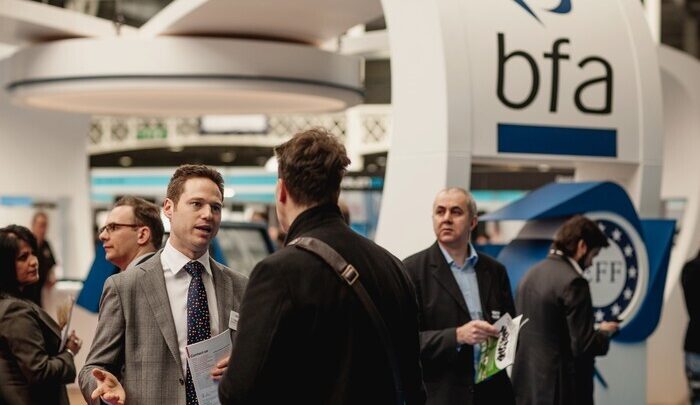
The British Franchise Exhibition, at Manchester Central on 11-12 June 2010, will bring together an exciting range of business opportunities, as well as an impressive range of new initiatives designed to accommodate the needs of anyone looking at franchising as a new career challenge.

Providing a comprehensive snapshot into the world of franchising with an exciting list of exhibitors and extensive free seminar programme, the British Franchise Exhibition will offer priceless information and advice to business-minded people. The Growing Your Own Business Conference, renowned Franchisee Panel and launch of the Business Plan Clinic also form part of the show’s exciting programme, that each help to create this first-class, informative and worthwhile event.

“The 2010 British Franchise Exhibition in Manchester will offer everything a potential business owner needs to research and develop a new career in franchising, from business opportunities to advice on growth, expansion and strategy,” said Franchise Exhibition Manager Adrian Goodsell, of event organisers at Venture Marketing Group.

With exhibiting companies including Architectural Services, Expense Reduction Analysts, MOT2U, Cash Generator and many more, The British Franchise Exhibition has opportunities to suit every budget and interest. In addition the many valuable new initiatives have been developed to offer visitors the latest news, information and advice about franchising. Among this exciting list is McDonald’s Open Days, which will be held onsite for the first time ever at the event.

With a private seminar room, two sessions a day and one-on-one meetings to discuss future career prospects, the McDonald’s Open Day is expected to attract many potential franchisees looking to invest and learn more about the secrets behind the success of the famous family restaurant. Sessions can be booked at www.franchiseinfo.co.uk.

“We are delighted to be involved in this year’s British Franchise Exhibition in Manchester. We look forward to meeting prospective franchisees at the Open Days we will be holding at this notable franchising industry event,” said Head of Franchising, McDonald’s UK, Derek Rogers,.

The British Franchise Exhibition also boasts its renowned free seminar programme; the Franchisee Panel, exclusively supported by Whichfranchise.com; and the all-new Business Plan Clinic, which is sponsored by Lloyds TSB.

THE FREE CONFERENCE

A comprehensive conference programme with dedicated category ‘tracks’ will run throughout the two-day Manchester event. Featuring presentations run by the British Franchise Association (bfa), Growing Your Own Business keynote speakers, and franchisees and franchisors, the most important topics in franchising are set to be discussed. Tracks include women in franchising, couples in franchising, hands-on franchises, management franchises, franchise resales and high-level investment franchises.

The bfa will also host three seminars a day, delivered by existing franchisors, solicitors, banking representatives and consultants; whilst keynote speakers from renowned franchising brands will feature on Friday and Saturday.

The Growing Your Own Business conference will feature high profile presentations on each day. Focusing on the most essential aspects of developing a business, the Growing Your Own Business seminars will include advice covering marketing, website optimisation and planning.

FRANCHISEE PANEL

A panel of existing franchisees will candidly discuss the realities of franchising and their experiences on both Friday and Saturday. Facilitated by Whichfranchise.com, the Franchisee Panel will enlighten visitors about franchising from a first-hand perspective, giving them the benefit of hearing from those who have ‘been there and done that’.

BUSINESS PLAN CLINIC

A brand new feature at The British Franchise Exhibition, the Business Plan Clinic Exhibition will offer aspiring business owners the opportunity to learn all the essential facts and figures around franchise funding and investment requirements. Financial consultants and representatives from the bank’s franchising department will be on-hand to answer any questions from aspiring entrepreneurs, including queries about capital, loan terms and profit management.

Organisers of The British Franchise Exhibition continue to concentrate their efforts on delivering the most in-depth and insightful show yet. In addition to the innovations being rolled out, the exhibition is still the only franchise event in the North endorsed by the bfa. This means all companies exhibiting have met the Association’s code of ethical franchising.

“The support we have from the bfa is something we pride the show on because it means the quality of the exhibition and the business ventures presented are guaranteed for visitors,”

“By visiting The British Franchise Exhibition, aspiring business owners can get all the information they need to help them to decide whether franchising is right for them and, if it is, what franchise best suits their career goals. They can’t miss this opportunity,” said Adrian Goodsell.

MORE:

The British Franchise Exhibition

Friday 11 June 2010: 10am – 5pm

Saturday 12 June 2010: 10am – 4pm

Venue: Manchester Central, Manchester

Register to visit: Call +44 (0)844 257 8668 or visit www.franchiseinfo.co.uk

Visitor tickets: £8 each or £7 each for two or more in advance, or £10 on the door

FREE entry is available to Civvy Street readers if they quote the unique code CIVVYS when they register at www.franchiseinfo.co.uk

Future Events:

The National Franchise Exhibition, NEC, Birmingham, UK, 1-2 October 2010

The Scottish Franchise Exhibition, SECC, Glasgow, 25-26 February 2011

© 2012 Civvy Street Magazine